
Blog / Missing Middle Housing
Selling an Estate Property to a Builder in Toronto: A Guide for Executors
Written by Anthony Palleschi · November 8, 2026 · 8 min read
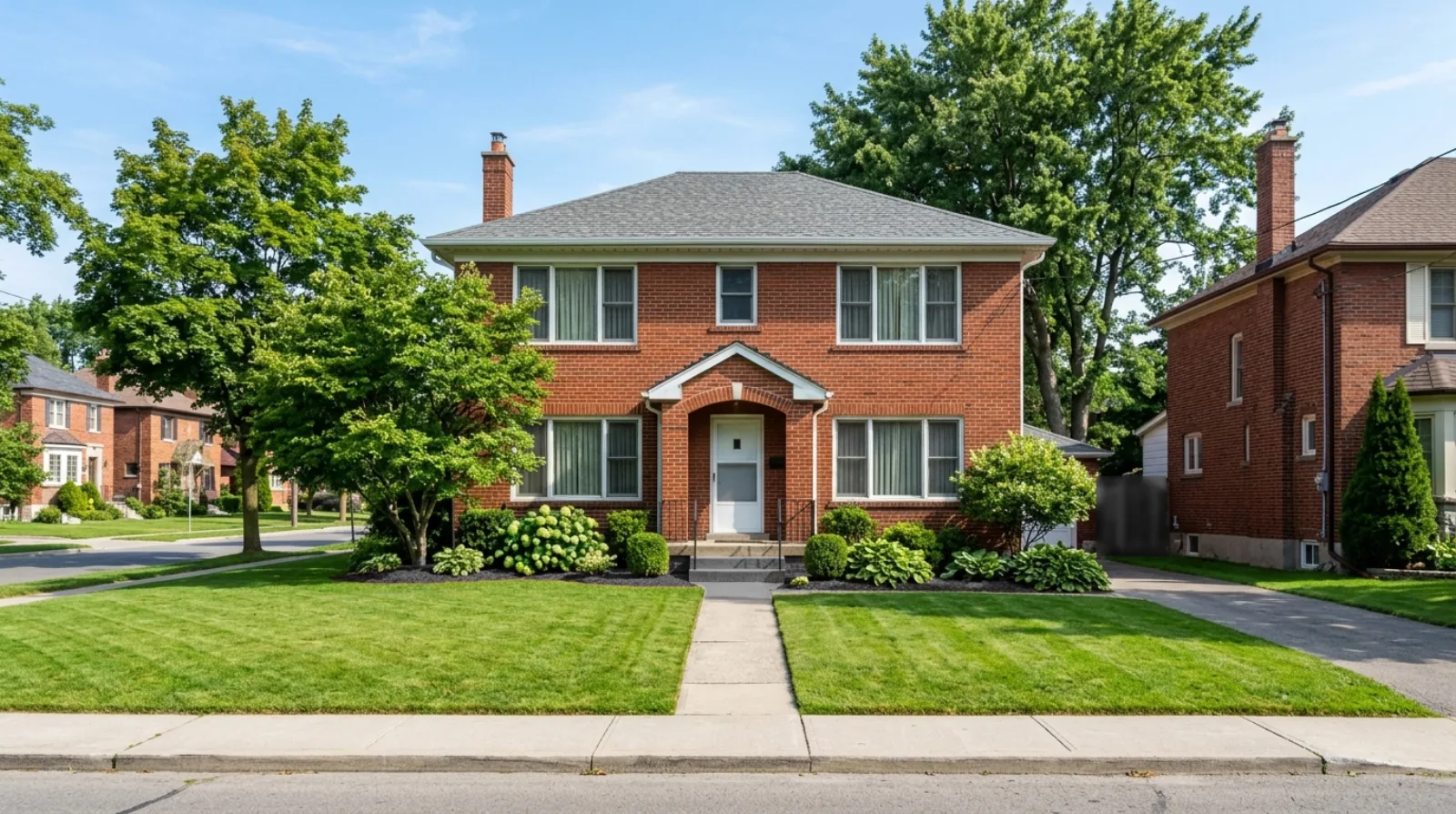
When a parent dies and leaves a house in Toronto, the estate has to decide what to do with it. Keep the house, rent it, sell it on the open market, or sell it to a builder? I'm Anthony Palleschi, a real estate sales representative in Toronto. I work with owners and builders on lots that could hold more than one home. This post is for the estate trustee (the executor) and the family, and covers the builder side of the decision.
The estate's lawyer decides the legal steps, and an accountant should advise on tax. The rules and rates below are from Government of Ontario and City of Toronto pages as they read on November 1, 2026.
First, the legal steps belong to the estate's lawyer
Before anyone lists the house or signs an offer, the estate's lawyer should confirm two things:
- Who has the authority to sign for the estate. Usually that is the estate trustee named in the will.
- Whether the estate trustee needs a certificate of appointment from the Superior Court of Justice before the sale can close. People often call this "probate."
These answers set the timeline. A builder's offer with a closing date the estate cannot meet is no use to anyone, so get these answers before talking to buyers.
Ontario's estate administration tax
If the estate applies for a certificate, Ontario charges estate administration tax. The Government of Ontario's estate administration tax page sets the rate for certificates applied for on or after January 1, 2020:
- No tax on the first $50,000 of the estate's value.
- $15 for every $1,000, or part of $1,000, above $50,000.
Real estate in Ontario counts toward the value, less any mortgage or lien on it. The estate pays the tax, as a deposit when it applies to the Superior Court of Justice. The page also says the estate trustee must file an Estate Information Return within 180 calendar days after the certificate is issued.
As an example with a price I chose to show the arithmetic: an estate whose only asset is a $1,500,000 house with no mortgage would owe $21,750 ($15 for each of the 1,450 thousands above $50,000). That figure comes from the published rate. The estate's lawyer will calculate the real amount from the full list of assets.
The City's Vacant Home Tax
An estate house often sits empty while the family decides what to do. Toronto charges a tax on empty homes. The City's Vacant Home Tax page says the rate is 3 percent of the property's Current Value Assessment, starting with the 2024 tax year. On a house assessed at $1,200,000, that is $36,000 for a year.
Two exemptions matter for an estate:
| Exemption | When it applies | Proof the City asks for |
|---|---|---|
| Death of a registered owner | The house was vacant six months or more in the year because an owner died. Up to three consecutive tax years, starting in the year of death. | A copy of the death certificate |
| Transfer of legal ownership | The sale closed in the tax year being declared, as a 100 percent transfer. | A copy of the land transfer deed |
Even with an exemption, the owner must file a declaration every year. The City says the general deadline is April 30, and "If a declaration is not received by the April 30 deadline, the City will assume the property was vacant." Put the declaration on the estate's calendar.
Why a builder may be the right buyer
This section is my own view. An estate house is often the type of house a builder wants: an older house on a lot that the zoning now allows to hold several homes. A family buyer looks at the kitchen, the roof and the basement. A builder looks at the lot.
For an estate, a builder sale can suit the family when:
- The house needs work that nobody in the family wants to manage or pay for before a sale.
- The heirs live outside Toronto and want a sale with fewer showings.
- The lot is larger than the houses around it, or faces a Major Street, so a builder can plan more homes on it.
It may not suit the family when the house is in good condition on a typical lot, and a family buyer would pay more for the house than a builder would pay for the land. The way to know is to compare both numbers.
What a builder will look at
A builder prices the lot by what it could hold. My post on how builders price land explains the calculation. In short:
- The zone label and what it allows. Most residential lots can hold up to four homes in one building. My guide to Toronto multiplex zoning explains how to read the label.
- Whether the lot is in a sixplex area (the Toronto and East York district or Ward 23).
- Whether the lot abuts a Major Street, where townhouses and buildings of up to six storeys are allowed. See my post on Major Streets zoning.
- Whether the lot could be split into two lots, which goes to the Committee of Adjustment. See my post on severance and minor variance.
If you are not sure your parent's house is even in an area where these rules apply, my post on checking whether a house is in the yellowbelt walks through the City's maps.
A practical order of steps
This is the order I would suggest to an estate trustee. It is my own view, and the lawyer's advice comes first:
- Speak with the estate's lawyer about authority to sign, the certificate and the timeline.
- Speak with an accountant about tax on the sale.
- File the Vacant Home Tax declaration for each year the house is owned, and claim the exemption that applies.
- Find out what the lot could hold under the zoning, before looking at prices.
- Get a view of the open market price and a view of what builders would pay.
- Read each offer's conditions and closing date as closely as the price, and share them with the lawyer.
- Keep the heirs informed, so the decision does not surprise anyone.
There is no obligation to sell to a builder, or to sell at all. Knowing what a builder would see on the lot lets the estate choose with all the facts.
Questions to ask before you decide
- Does the estate trustee need a certificate of appointment before the sale can close?
- Which Vacant Home Tax exemption applies, and for which years?
- What could the lot hold under the zoning, and does it abut a Major Street?
- What does each builder's offer assume, and what conditions come with it?
- Would a family buyer pay more for the house than a builder would pay for the lot?
If you are handling an estate and want to know what a builder would see on the lot, see how I work with sellers, or reach me through the contact page or at 416-636-6800.
Planning and development potential is property-specific and subject to zoning, approvals, site conditions, municipal review and other due diligence.
Sources
All pages opened on November 1, 2026 (PT).
- Government of Ontario, Estate administration tax (updated June 24, 2026): the rate since January 1, 2020, the first $50,000, real estate less encumbrances, payment as a deposit to the Superior Court of Justice, and the 180-day Estate Information Return.
- City of Toronto, Vacant Home Tax (date modified July 22, 2026): the 3 percent rate from 2024, the yearly declaration and April 30 deadline, and the death of an owner and transfer of ownership exemptions.
- City of Toronto, Multiplex Housing page: four units city-wide and six units by location.
Frequently asked questions
Can an estate sell a house to a builder in Toronto?
An estate can sell a Toronto house to a builder the same way it can sell to a family buyer. The estate trustee signs for the estate. Before listing or signing an offer, ask the estate's lawyer whether the trustee needs a certificate of appointment from the Superior Court of Justice before the sale can close.
How much is estate administration tax in Ontario?
For estate certificates applied for on or after January 1, 2020, Ontario charges no tax on the first $50,000 of an estate's value and $15 for every $1,000, or part of $1,000, above that. Real estate in Ontario counts toward the value, less any mortgage or lien. The estate pays, not the trustee personally.
Does an empty estate house in Toronto pay the Vacant Home Tax?
The City of Toronto's Vacant Home Tax is 3 percent of the property's assessed value from the 2024 tax year. An exemption applies when a house was vacant for six months or more because an owner died. It can be claimed for up to three consecutive tax years, starting in the year of death, with a copy of the death certificate.
Do I still have to declare an estate house for the Vacant Home Tax?
Yes. The City of Toronto asks every residential owner to declare the property's occupancy status each year, including owners who qualify for an exemption. The general deadline is April 30. The City's page says that if no declaration is received by the deadline, the City will assume the property was vacant.
Why would a builder buy an estate house in Toronto?
A builder in Toronto buys a house for the lot when the zoning allows more homes than the house holds. Most residential lots can hold up to four homes in one building, up to six in the Toronto and East York district and Ward 23, and more on lots that abut a Major Street. The condition of the old house matters less to that buyer.
What should an executor ask before selling to a builder?
An executor in Toronto should ask the estate's lawyer who has authority to sign and whether a court certificate is needed, ask an accountant about taxes on the sale, and ask each builder what their offer assumes: how many homes, what building type, which conditions, and the closing date. Compare that offer with an open market sale.
When is the Estate Information Return due in Ontario?
Ontario's estate administration tax page says an Estate Information Return must be filed within 180 calendar days after the estate certificate is issued. The return is required even if the value of the estate is zero. It lists the estate's assets, including Ontario real estate less any mortgage or lien, so ask the estate's lawyer who will prepare it.
Does selling an estate house end the Vacant Home Tax in Toronto?
The City of Toronto's Vacant Home Tax page lists a transfer of legal ownership exemption for the tax year in which a sale closes, when the sale transfers 100 percent of the property. The proof is a copy of the land transfer deed. The estate still files the declaration for that year by the City's deadline.